
Request Appointment
Our Location
Monday
Closed
Tuesday
8:00 am - 5:00 pm
Wednesday
8:00 am - 5:00 pm
Thursday
8:00 am - 5:00 pm
Friday
8:00 am - 1:00 pm
Saturday
Closed


The upper back (posterior maxilla) presents a unique challenge when planning dental implants: the maxillary sinus sits directly above the roots of the molars and premolars. Over time, tooth loss, periodontal disease, or natural bone resorption can leave too little vertical bone to securely hold an implant. A sinus lift restores the necessary bone height by elevating the sinus membrane and placing grafting material beneath it, creating a stable foundation for an implant.
Restoring that bone is not just about anchoring an implant; it supports long-term function and helps preserve facial structure. Without adequate bone, implants can fail or be positioned in ways that compromise chewing efficiency and esthetics. For patients who have lost posterior teeth years ago or who have experienced significant bone loss, a sinus lift is often the most predictable way to rebuild the site for successful implant-based tooth replacement.
When discussing this option, our team evaluates each patient as an individual. At Pharos Implants and Oral Surgery we combine detailed imaging with a careful clinical exam to determine whether a sinus lift is appropriate and which approach will offer the best long-term outcome.
Sinus lift surgery is not one-size-fits-all. Two widely used approaches are chosen based on the remaining bone height, sinus anatomy, and overall treatment goals. The lateral window technique involves creating a small access window on the side of the bone to visualize and gently elevate the sinus membrane. This approach provides broad access and is often selected when a significant amount of grafting is needed to gain vertical height.
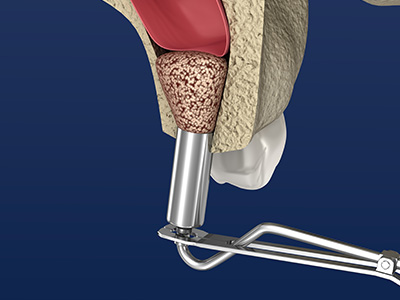
The crestal approach, often referred to as the osteotome or transcrestal technique, is less invasive and is typically appropriate when only a modest lift is required. Instead of a lateral window, the surgeon works through the implant site and uses instruments to carefully elevate the sinus floor; graft material and, in some cases, the implant can be placed at the same appointment. While healing times and procedures differ, both techniques are established and reliable when performed by a trained oral and maxillofacial surgeon.
Choosing between these methods comes down to planning and precision. Imaging—especially cone beam CT—helps the surgical team assess sinus size, membrane thickness, and the exact amount of graft material needed. That information guides the selection of technique so the patient receives a tailored, predictable treatment plan.
Preparation begins with a comprehensive consultation and diagnostic imaging. A cone beam CT scan provides a three-dimensional view of the sinus and jaw that reveals critical details not visible on standard X-rays. Medical history, medications, and any conditions that affect healing are reviewed so the surgical plan can accommodate the patient’s overall health and comfort needs.
On the day of surgery, sedation and anesthesia options are discussed and applied according to the patient’s preference and clinical requirements. The procedure itself is performed under sterile conditions: after local anesthesia (and sedation if needed), the surgeon gently elevates the sinus membrane and places bone graft material into the created space. With the lateral window technique the membrane is lifted through a small side opening; with the crestal approach the lift happens through the implant site.
Most patients experience minimal discomfort during the procedure because of modern anesthesia and careful surgical technique. The team explains intraoperative steps, expected sensations, and immediate postoperative instructions so patients know what to expect the moment they leave the office. If an implant is placed at the same time as the graft, that will be communicated clearly as part of the treatment plan.
Recovery after a sinus lift varies by individual and by technique, but most patients can manage the early healing period at home with simple precautions. Mild swelling, some congestion, and occasional bruising are common. Controlled activity, head elevation while sleeping, and following the prescribed medication plan help reduce discomfort and support healing. We provide personalized aftercare instructions to make this phase as smooth as possible.
Because the sinus membrane must remain undisturbed while the graft integrates, patients are advised to avoid actions that create pressure in the nasal passages—such as forceful nose blowing or sneezing with a closed mouth—for a defined period. Careful oral hygiene around the surgical site, soft foods, and attending scheduled follow-up visits are all important to monitor healing and detect any issues early.
Signs that warrant prompt attention include persistent severe pain, fever, increased swelling after initial improvement, or unusual drainage. These events are uncommon, but timely evaluation helps address complications quickly. Follow-up imaging and clinical checks confirm that the graft is integrating; once adequate bone has formed, the surgeon can proceed with implant placement or final restorative steps according to the established timeline.
A sinus lift is typically part of a broader strategy to restore missing upper back teeth with dental implants. For some patients, the grafting and implant placement are staged—allowing months of healing before an implant is placed. For others, in appropriate situations, bone grafting and implant placement occur in the same visit. The treatment timeline depends on the amount of augmentation needed, the patient’s healing capacity, and the selected graft material.
Graft materials range from the patient’s own bone to donor, animal-derived, or synthetic options; each has advantages and is selected to match the clinical need and patient preference. Factors that influence candidacy for a sinus lift include the amount of existing bone, the shape and size of the sinus, smoking status, and general health conditions that affect healing. A careful preoperative assessment helps identify and, where possible, optimize any risk factors.
Successful planning also coordinates restorative goals with surgical steps so the final implant-supported tooth will look, feel, and function like a natural tooth. Open communication between the surgeon, restorative dentist, and patient ensures expectations are clear and the pathway to a durable result is well-defined.
In summary, a sinus lift is a dependable surgical option for patients who need additional upper jawbone to support dental implants. It restores lost height, improves the predictability of implant treatment, and is performed using techniques tailored to each patient’s anatomy and goals. If you have questions about whether a sinus lift is right for your situation, contact us to learn more and schedule a consultation with our team at Pharos Implants and Oral Surgery.

A sinus lift is a surgical procedure that increases vertical bone height in the upper back jaw by elevating the sinus membrane and placing bone graft material beneath it. This augmentation creates a stable foundation for dental implants when natural bone has resorbed after tooth loss, periodontal disease, or long-term bone remodeling. Restoring bone height supports predictable implant placement, improves chewing function, and helps preserve facial contours.
The technique and timing are individualized based on three-dimensional imaging and the patient’s restorative goals. Cone beam CT scans are commonly used to measure existing bone and guide the surgical plan. When performed with careful planning, a sinus lift improves the long-term success of implant-supported tooth replacement in the posterior maxilla.
Good candidates are patients who lack sufficient vertical bone in the posterior maxilla to support dental implants but are otherwise in reasonably good health. Factors that influence candidacy include the amount of remaining bone, the shape and size of the maxillary sinus, a history of sinus disease, smoking status, and systemic conditions that affect healing. A comprehensive consultation and imaging study determine whether a sinus lift is appropriate and which approach is most predictable.
Patients with controlled medical conditions such as well-managed diabetes may still be candidates after appropriate coordination with their medical provider. Active sinus infections or uncontrolled health issues are typically addressed before surgery to reduce risk. Your surgeon will review alternatives if a sinus lift is not advisable, including shorter implants, angled implant placement, or different prosthetic strategies.
The lateral window technique creates a small access window in the lateral wall of the maxilla to directly visualize and gently elevate the sinus membrane, which is often chosen when a substantial vertical gain is needed. This approach provides broad access for placing larger volumes of graft material and is commonly used when residual bone height is limited. The crestal, or transcrestal, approach is less invasive and works through the existing implant site to lift the sinus floor by smaller increments.
The crestal technique is typically appropriate when only a modest elevation is required and can sometimes be performed at the time of implant placement. Choice of technique depends on residual bone height, sinus anatomy, membrane thickness, and your restorative timeline. Detailed imaging and clinical judgment guide the selection so the chosen method matches the specific clinical need.
Preparation begins with a thorough consultation that includes medical history review and cone beam CT imaging to map the sinus and jawbone anatomy. On the day of surgery you will receive local anesthesia and, if desired or indicated, sedation to ensure comfort throughout the procedure. The surgeon then elevates the sinus membrane through the selected approach and places graft material into the created space beneath the membrane.
Surgical time varies with the extent of augmentation but most procedures are completed in a single office visit under sterile conditions. The team will review intraoperative sensations you may feel, immediate postoperative instructions, and the follow-up schedule before you leave. If immediate implant placement is planned, that will be discussed as part of the treatment plan based on primary stability and bone volume.
Early recovery typically spans several days to two weeks during which mild swelling, nasal congestion, and light bruising are common but manageable with medication and rest. Patients are advised to avoid activities that increase sinus pressure—such as forceful nose blowing, heavy lifting, and vigorous bending—for a prescribed period to protect the graft and membrane. Good oral hygiene with gentle care around the surgical site, a soft-food diet initially, and adherence to prescribed antibiotics or analgesics support uncomplicated healing.
Follow-up visits are important to monitor integration of the graft and the condition of the sinus membrane. Complete graft integration that allows for implant placement can take several months depending on graft type and individual healing. Your surgeon will provide a tailored schedule for imaging and restorative coordination so you know when the next steps in implant treatment can proceed.
As with any surgical procedure, sinus lifts carry risks that include sinus membrane perforation, infection, graft failure, and postoperative sinusitis, although serious complications are uncommon when the procedure is performed by a trained specialist. Perforations of the sinus membrane are the most frequently cited intraoperative complication and are often managed at the time of surgery with appropriate repair techniques or by modifying the treatment plan. Proper preoperative imaging and careful surgical technique reduce the likelihood of membrane tears and other adverse events.
Signs that warrant prompt evaluation after surgery include persistent severe pain, fever, prolonged swelling, or unusual nasal drainage. In most cases early recognition and management—such as local care, medication, or a brief modification in healing protocol—lead to satisfactory resolution. Your surgical team will explain warning signs and provide clear instructions for when to seek urgent care.
In some cases an implant can be placed simultaneously with a sinus lift, particularly when there is sufficient residual bone to achieve primary stability and the lift required is modest. Immediate placement can reduce total treatment time and the number of surgeries, but it is only advisable when clinical conditions support reliable implant stability. When larger augmentations are needed, a staged approach—where the graft heals before implant placement—is often safer and more predictable.
The decision to place an implant at the same visit depends on bone height, graft material, the chosen surgical technique, and the patient’s overall health and healing potential. Your surgeon will discuss the pros and cons of immediate versus staged placement during treatment planning so the chosen timeline aligns with long-term restorative goals. Clear communication between the surgeon and the restorative dentist ensures coordinated care and predictable outcomes.
A variety of graft materials can be used for sinus lifts, including the patient’s own bone (autograft), processed donor bone (allograft), animal-derived bone (xenograft), and synthetic substitutes. Each option has advantages: autograft offers living bone cells and strong healing potential, while allografts and xenografts provide structural scaffolding without a second surgical site. Synthetic materials can be useful for predictable volume maintenance and when patients prefer to avoid donor sources.
Selection of graft material is based on the clinical situation, the volume of augmentation required, patient preference, and the surgeon’s experience with specific materials. In many cases a combination of materials is used to balance rapid integration with long-term stability. Your surgeon will explain the rationale for the chosen material during the consultation so you understand how it supports your implant plan.
Smoking and certain medical conditions can negatively affect healing and increase the risk of graft complications after a sinus lift. Tobacco impairs blood flow, delays tissue repair, and is associated with higher rates of graft failure and implant complications; many surgeons advise quitting smoking well before and after surgery to improve outcomes. Systemic conditions such as uncontrolled diabetes, immune disorders, or medications that affect bone metabolism can also influence candidacy and healing timelines.
A thorough medical evaluation prior to surgery identifies modifiable risk factors and allows the team to coordinate care with your primary provider when needed. Where possible, steps such as optimizing blood sugar control, adjusting medications under medical supervision, or instituting smoking cessation strategies can improve the chances of predictable healing. Your surgeon will review these considerations and recommend appropriate measures to lower risk before moving forward.
Choose a surgeon with specialized training in oral and maxillofacial surgery, extensive experience with sinus augmentation, and access to advanced imaging such as cone beam CT to plan and execute the procedure safely. Look for a team that communicates clearly about risks, alternatives, and the full implant timeline, and that coordinates care with your restorative dentist to ensure the final result meets functional and esthetic goals. Credentials, case volume, and a track record of performing sinus lifts with consistent outcomes are important factors to consider.
At Pharos Implants and Oral Surgery, Dr. Joshua Munson, DDS, and the clinical team combine specialized surgical training with modern imaging and anesthesia options to provide personalized, evidence-based care. Our approach emphasizes detailed planning, patient comfort, and close restorative collaboration so each sinus lift supports a predictable path to implant restoration. If you are considering a sinus lift in Cornelius, NC, we recommend scheduling a consultation to review your imaging and discuss a tailored treatment plan.

Our friendly and knowledgeable team is ready to help you schedule appointments, answer questions about procedures, and address any concerns. Whether by phone or our easy online contact form, we’re here to make your experience simple and convenient.
Take the first step toward restoring your smile and discover the difference personalized, expert care can make. Contact us today and let us help you achieve the confident, healthy smile you deserve.

Back to top