
Request Appointment
Our Location
Monday
Closed
Tuesday
8:00 am - 5:00 pm
Wednesday
8:00 am - 5:00 pm
Thursday
8:00 am - 5:00 pm
Friday
8:00 am - 1:00 pm
Saturday
Closed


Missing teeth affect more than appearance — they change how you eat, speak, and feel about yourself. Whether tooth loss comes from decay, periodontal disease, or an accident, modern implant dentistry gives patients a way to rebuild a complete, comfortable, and long-lasting smile. Implants act as a foundation that restores the natural mechanics of chewing and helps preserve bone and facial structure over time.
Careful evaluation and planning are the first steps in any successful implant case. A thorough exam considers your overall health, oral tissues, bone volume, and the goals you want to achieve. With that information, we design a treatment plan that balances durability, function, and aesthetics so your new teeth look and perform like natural ones.
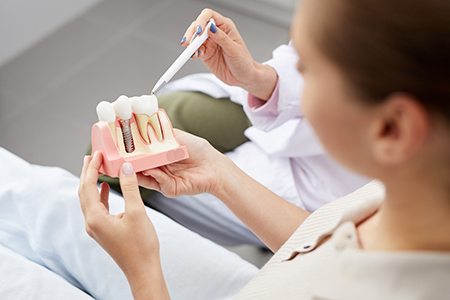
At Pharos Implants and Oral Surgery, we combine surgical experience with restorative coordination to guide patients through each phase of care. From initial consultation to final restorations, the focus is on predictable results and an experience that keeps you comfortable and informed.
A dental implant is a biocompatible post placed in the jaw to replace the root of a missing tooth. Over the following months, the surrounding bone grows tightly around the implant — a process called osseointegration — creating a stable base for crowns, bridges, or dentures. That intimate bond is what gives implants their strength and ability to function like natural teeth.
Because implants transmit biting forces into the jawbone, they help maintain bone volume and support facial contours that would otherwise shrink after tooth loss. Preserving bone not only improves long-term function but also prevents the sunken appearance that sometimes follows prolonged tooth absence.
Modern implant systems and surgical techniques have made this process more predictable than ever. Using digital planning and precision-guided placement, clinicians can position implants to achieve the best combination of support, esthetics, and ease of restoration.
Conventional bridges and removable dentures remain useful for many patients, but implants offer distinct advantages when it comes to stability, function, and bone preservation. Because implants are anchored in the jaw, they eliminate the movement and slipping that can occur with conventional dentures and allow people to eat a wider variety of foods with confidence.
Unlike fixed bridges that rely on neighboring teeth for support, implant solutions avoid altering adjacent healthy teeth. This preserves natural tooth structure and often improves the long-term health of the surrounding dentition. Implants are also resistant to decay and, with appropriate care, can provide a durable foundation for restorations that last for decades.
Another important benefit is the ability to plan restorations that look natural and match the color, shape, and alignment of your existing teeth. With careful collaboration between surgeon and restorative dentist, implant-supported crowns and bridges can blend seamlessly into a smile.
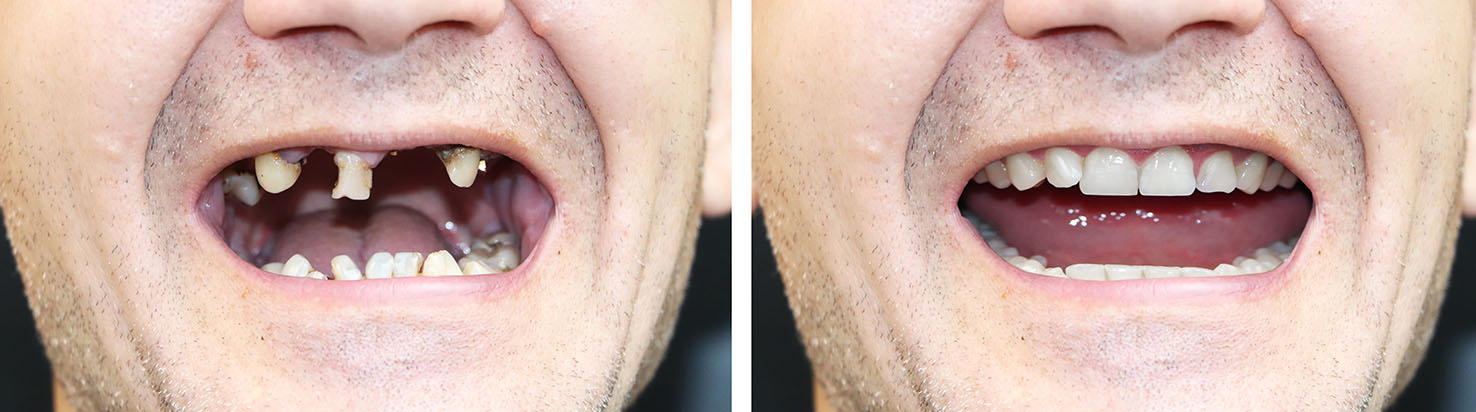
Every option is tailored to a patient’s anatomy, restorative goals, and lifestyle. A thorough diagnostic process — including imaging and models — helps determine the number and placement of implants needed to achieve a successful outcome.
Implant therapy starts with a comprehensive evaluation to assess bone quality, gum health, and overall medical considerations. Advanced 3D imaging and digital planning tools allow us to visualize the final result and plan implant positions for optimal support and esthetics. This planning reduces surprises during surgery and improves predictability.
Surgical placement is typically performed on an outpatient basis and may be completed with local anesthesia and sedation options to ensure comfort. Depending on the case, temporary restorations can sometimes be placed the same day, while other situations benefit from a healing period to allow osseointegration before the final prosthetic is attached.
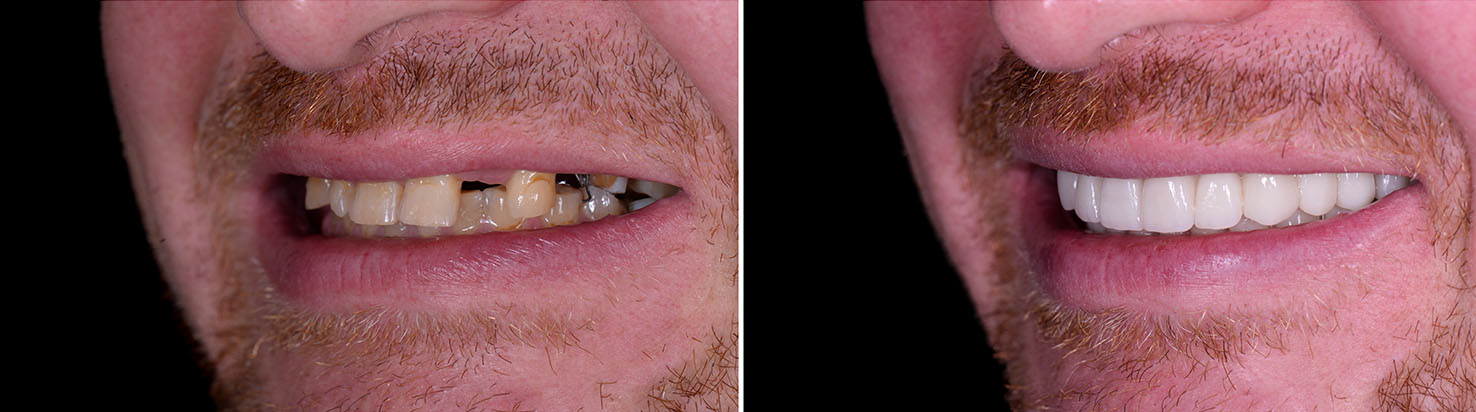
After the implant has integrated, a restorative dentist designs and fabricates crowns, bridges, or dentures that attach to the implants. Routine oral hygiene, regular dental checkups, and professional care are central to protecting your investment and keeping implants healthy for the long term. When maintained properly, implants can provide decades of reliable service.
Sufficient bone is essential for long-term implant success. After tooth loss or following periodontal disease, bone volume can decrease, making implant placement challenging. In many cases, bone grafting is used to rebuild the area and create a solid foundation for implants. Grafting restores both volume and shape, enabling a more natural-looking final restoration.
Other preparatory procedures can include ridge augmentation or sinus lifts for the upper jaw when vertical height is limited. These techniques expand the available bone and increase the likelihood of stable implant integration. Each procedure is selected based on individual anatomy and the overall treatment plan, with clear explanations provided so patients understand the rationale and expected timeline.
Choosing an experienced surgical team and working collaboratively with restorative partners helps ensure that grafting and implant placement are coordinated for efficient, predictable care. With modern materials and techniques, most grafted sites heal well and support implants reliably.
Dental implant treatment blends surgical precision with artistic restoration. Selecting a team with specialized training in oral surgery and a clear process for planning and follow-up care makes a meaningful difference in the outcome. Our practice emphasizes thorough evaluation, open communication, and evidence-based techniques so patients feel confident at every step.
Whether you’re considering a single implant or a full-arch reconstruction, the goal is the same: restore oral function, preserve healthy tissues, and create a smile that feels natural. We work closely with referring dentists and lab technicians to deliver cohesive care and predictable results.
If you’d like to learn more about how dental implants can address your specific needs, contact us for more information. Our team is ready to answer questions and explain the treatment process so you can decide with confidence.


If you've lost a tooth due to injury, decay, gum disease, or any other reason, we recommend dental implants to replace missing teeth. Dental implants come the closest to replicating the look, feel, and function of your natural teeth.
Dental implants are placed into the jawbone and mirror the same function as the root of a tooth. The procedure for dental implants is usually performed while a patient is sedated. Patients who undergo IV sedation must have an empty stomach and transportation home following the procedure. Most sedation patients will have little to no memory of the procedure occurring.
Generally, dental implants are made out of a biocompatible metal such as titanium. Biocompatible metals are also used for other common bone implants (such as shoulder, hip, and knee replacements). The visible portion of the implant is usually made out of porcelain and is custom-made to match your existing teeth.
Dental implants are designed to fuse to the bone, which makes them become permanent fixtures. Typically speaking, the success rate is nearly 100%. There are few cases in which the implant will not fuse as intended and must be removed. If this happens to occur, the procedure can be attempted again a few months later.
Dental implants are not usually covered by dental insurance, but may be covered under a patient's medical insurance. Our office and your insurance company can discuss coverage options with you based on your individual case and treatment plan.
It's easy... just take care of an implant as if it's a natural tooth! This involves regular brushing, flossing, and dental checkups. If you have any concerns about your implant, contact us immediately.
A dental implant is a biocompatible titanium or zirconia post placed into the jaw to replace the root of a missing tooth. Over time the surrounding bone fuses to the implant in a process called osseointegration, creating a stable foundation for a crown, bridge, or denture. That intimate connection is what allows implant-supported teeth to restore chewing force and feel like natural teeth.
Beyond restoring function, implants help preserve jawbone and facial contours by transmitting biting forces into the bone and preventing the resorption that follows tooth loss. Implants also support restorations that can be matched to your natural teeth for a seamless appearance. With modern planning and guided placement, clinicians can position implants for optimal support, esthetics and long-term predictability.
Good candidates for dental implants are generally adults in good overall health who have resolved active infections and adequate bone to support an implant. Chronic conditions such as uncontrolled diabetes or habits like heavy smoking can affect healing and are evaluated during the consultation. Age by itself is not a limiting factor; rather, the focus is on medical stability and oral health.
If bone volume is insufficient, grafting procedures can create a stable foundation so more patients become eligible for implants. A thorough evaluation including medical history, periodontal assessment and 3D imaging determines whether implant therapy is appropriate and which restorative options best meet a patient's goals. Your oral surgeon and restorative dentist will review alternatives when implants are not the ideal choice.
Preparation begins with a detailed examination that includes a review of your medical history, intraoral exam and three-dimensional imaging to assess bone and anatomic landmarks. Medications, bleeding disorders and prior treatments are identified so the surgical plan can be tailored for safety and predictability. We also discuss anesthesia and sedation options to help you feel comfortable during the procedure.
At Pharos Implants and Oral Surgery, planning often includes collaboration with your restorative dentist to determine ideal implant position and the final prosthetic design. Smoking cessation, improving gum health and optimizing chronic medical conditions may be recommended before surgery to improve outcomes. Clear preoperative instructions and a coordinated timeline reduce surprises and set expectations for healing and restoration.
After surgery patients commonly experience mild to moderate swelling, bruising and discomfort that peak within the first 48 to 72 hours and then improve each day. Managing pain with prescribed or over-the-counter medications, applying cold packs early and following soft diet recommendations help support a smooth recovery. Maintaining good oral hygiene while protecting the surgical site is important and we provide specific home-care instructions.
Follow-up visits let the surgeon monitor healing, remove sutures when indicated and determine the appropriate timing for placing a temporary or final restoration. Patients are advised to contact the office if they develop persistent heavy bleeding, fever, severe pain or signs of infection so issues can be addressed promptly. With attentive postoperative care most patients progress through healing without complications.
Dental implants are designed to last for many years and can provide decades of service when maintained with excellent oral hygiene and regular professional care. Daily brushing, interdental cleaning around implant restorations and routine dental examinations reduce the risk of peri-implant disease. Avoiding tobacco and addressing conditions like bruxism further protects the implant and its supporting tissues.
Restorative components such as crowns or prosthetic teeth may require maintenance or replacement over time, but the underlying implant is generally stable when the surrounding bone and gum remain healthy. Your restorative dentist will plan a maintenance schedule and may recommend periodic tightening or replacement of prosthetic parts as needed. Consistent communication between your surgeon and restorative team helps preserve function and appearance for the long term.
Bone grafting becomes necessary when there is insufficient bone height, width or quality to support an implant safely and predictably. Grafts can use autogenous bone, bone substitutes or a combination of materials to rebuild the ridge and create a suitable foundation. These procedures are common and, when properly planned, integrate with the native bone to allow future implant placement.
A sinus lift is a specialized grafting technique for the upper back jaw that elevates the sinus membrane and places graft material to increase vertical bone height. The choice and timing of grafting depend on the anatomy, planned implant position and the overall treatment sequence, and healing times vary accordingly. Your surgeon will explain the expected timeline and follow-up required to maximize predictability.
Implants can support a wide range of restorations, from single crowns that replace one tooth to bridges that span multiple missing teeth without altering adjacent natural teeth. For patients missing an entire arch, full-arch solutions such as fixed implant bridges or All-on-X-style restorations recreate a permanent prosthesis anchored to several implants. Implant-retained overdentures offer a removable option that snaps onto implants for improved stability compared with conventional dentures.
The choice of restoration is guided by functional needs, esthetic goals and the patient's preferences for removability and maintenance. In many cases a provisional restoration can be delivered immediately to preserve appearance and function while osseointegration occurs. A restorative team tailors materials and designs to achieve a natural appearance and reliable long-term performance.
Compared with traditional bridges and removable dentures, implants often provide superior stability because they are anchored in the jawbone rather than relying on adjacent teeth or soft tissues. This stability improves chewing efficiency, reduces movement and increases patient confidence in everyday activities. Unlike fixed bridges that require preparation of neighboring teeth, implants preserve surrounding tooth structure and reduce the long-term risk to adjacent dentition.
That said, conventional prostheses may remain appropriate for some patients due to anatomic limitations or personal preferences, and implant candidacy should be determined on an individual basis. Maintenance routines differ as well, since implant restorations need meticulous plaque control and professional assessment to prevent peri-implant disease. Your surgeon and restorative dentist will review the advantages and trade-offs so you can make an informed decision.
The timeline for implant treatment varies with case complexity, ranging from a single surgical visit for straightforward cases to several months when grafting or staged procedures are required. After implant placement a healing period allows osseointegration to occur, and during that time temporary restorations may be used to maintain function and esthetics. The final prosthetic is attached once integration and soft tissue healing meet the clinical goals for stability and appearance.
Careful digital planning and guided surgical techniques can shorten chair time and improve predictability, but each patient's anatomy and healing response ultimately determine the schedule. Your team will provide a personalized timeline during the consultation and update it as treatment progresses to reflect healing milestones. Clear communication about stages and follow-up helps patients plan for appointments and recovery.
Comprehensive implant care combines surgical expertise with restorative coordination, laboratory communication and patient education to achieve predictable, natural-looking results. We use three-dimensional imaging and digital planning tools to visualize anatomy, select implant size and angulation, and design the final restoration in collaboration with your dentist and the dental laboratory. This multidisciplinary approach reduces surprises and aligns surgical placement with restorative goals.
At Pharos Implants and Oral Surgery our team emphasizes comfort, clear explanations and continuity of care so patients understand each step from consultation to final restoration. We coordinate referrals, provide detailed operative notes and remain available for postoperative support and long-term follow-up. Patients are encouraged to ask questions and participate in planning so the chosen treatment meets their functional and esthetic expectations.

Our friendly and knowledgeable team is ready to help you schedule appointments, answer questions about procedures, and address any concerns. Whether by phone or our easy online contact form, we’re here to make your experience simple and convenient.
Take the first step toward restoring your smile and discover the difference personalized, expert care can make. Contact us today and let us help you achieve the confident, healthy smile you deserve.

Back to top