
Request Appointment
Our Location
Monday
Closed
Tuesday
8:00 am - 5:00 pm
Wednesday
8:00 am - 5:00 pm
Thursday
8:00 am - 5:00 pm
Friday
8:00 am - 1:00 pm
Saturday
Closed


Dental emergencies can be obvious — a tooth knocked out, severe bleeding, or sudden, intense pain — but sometimes the signs are subtler. Persistent toothaches that wake you at night, swelling that affects breathing or swallowing, rapidly spreading redness or warmth in the face, and a high fever accompanying oral pain all suggest an urgent problem. Acting quickly in these situations can make a meaningful difference in preserving oral structures and preventing complications.
Not every ache requires emergency treatment, but distinguishing urgent symptoms from routine discomfort is important. Sharp, localized pain after trauma, loose or dislodged teeth, and visible fractures are typically urgent. Gradual, manageable sensitivity or mild soreness after routine dental work is less likely to be an emergency, yet any sudden change, worsening pain, or swelling should prompt a prompt evaluation to rule out infection or structural damage.
Keep a clear, calm plan: control bleeding with gentle pressure, rinse the mouth with warm salt water to reduce contamination, and keep any tooth fragments or crowns in a clean container. For knocked-out permanent teeth, preserve the tooth in milk or saliva if possible and avoid scrubbing it — quick, careful action increases the chance of successful replantation when seen promptly by a clinician.
When a patient arrives in distress, the first priority is rapid assessment and pain control. Our team conducts a targeted history and exam to identify the source of pain or injury, determine immediate risks (such as airway compromise or spreading infection), and establish a clear treatment plan. We use digital imaging and clinical tests to clarify the diagnosis quickly so care can begin without unnecessary delay.
Patient comfort is central to effective emergency care. We offer local anesthesia, and when appropriate, sedation options tailored to anxious or medically complex patients. Managing pain and anxiety early both improves the immediate experience and makes definitive treatment easier. Clear communication — explaining findings, steps, and timeline — helps patients feel reassured and informed during what is often a stressful time.
When additional medical evaluation is needed, we coordinate with physicians, urgent care centers, or hospitals to ensure the patient receives comprehensive care. Our focus is resolving the urgent problem safely, then planning follow-up to restore function and long-term oral health with minimal disruption to the patient's daily life.
Emergency dental care covers a broad range of conditions. For painful toothaches and infected teeth, we may offer drainage of abscesses, immediate prescriptions for appropriate antibiotics when indicated, and targeted pain management. When decay or trauma exposes the tooth’s nerve, root canal therapy can often be performed to save the tooth; when that is not possible, extraction may be the safest option.
Trauma-related services include evaluation and stabilization of fractured teeth, reattachment or temporary restoration of broken crowns and fillings, and splinting of loosened or avulsed teeth. For knocked-out teeth, prompt assessment and, when feasible, replantation are time-sensitive interventions that offer the best chance of saving a natural tooth. Soft-tissue injuries to the lips, tongue, and cheeks are cleaned, examined for damage, and sutured when necessary to promote healing and reduce infection risk.
We also diagnose and treat acute periodontal problems — rapidly progressing gum infections and localized abscesses — that can cause severe pain and swelling. Problematic wisdom teeth that erupt in a way that traps debris and causes intense discomfort are addressed with appropriate surgical or conservative measures. Across all treatments, our goal is to remove the immediate source of pain, control infection, and stabilize the mouth for definitive restorative care.
We regularly manage urgent situations such as:
Some emergencies necessitate surgical intervention. Extractions — from simple tooth removal to more complex surgical extractions — are often performed when a tooth is non-restorable, severely infected, or jeopardizing surrounding tissues. For impacted wisdom teeth that cause pericoronitis, recurrent infection, or damage to adjacent teeth, careful surgical removal stops the source of acute pain and reduces future risk.
Root canal therapy is the preferred tooth-preserving surgical procedure when the tooth’s nerve is infected but the tooth itself can be maintained. When a tooth cannot be saved, extraction followed by a thoughtful plan for replacement becomes the priority. Modern surgical techniques, including bone grafting when necessary, set the foundation for future restorative options and help preserve facial structure and function.
For patients who have lost a tooth unexpectedly, restorative planning begins as soon as the emergency is under control. Dental implants are recognized as an advanced method for replacing missing teeth and restoring long-term function and esthetics; they are discussed as part of a staged approach once infection and healing allow. Throughout surgical care, the emphasis is on safety, predictable outcomes, and minimizing recovery time. At Pharos Implants and Oral Surgery, surgical decision-making balances immediate needs with longer-term oral health goals.
Effective aftercare reduces complications and speeds recovery. We provide clear, written instructions on home care, including pain control strategies, wound care, and dietary recommendations. Patients are advised about signs that warrant urgent re-evaluation, such as uncontrolled bleeding, fever, increasing swelling, or persistent severe pain that does not respond to prescribed measures.
Follow-up appointments allow us to monitor healing, remove sutures if used, and plan definitive restorative work such as crowns, bridges, or, when appropriate, implant placement. If an infection was present, we confirm resolution before moving forward with complex restorative steps. Coordination with your general dentist ensures a smooth transition back to routine care once the emergency has been resolved.
Preventive measures and early intervention remain the best defenses against emergencies. Regular dental visits, protective appliances for sports, and prompt attention to small problems can often prevent escalation. If an unexpected problem arises, timely evaluation and treatment preserve options and improve outcomes. Contact us for more information or to discuss what to do in a dental emergency.
We are committed to providing calm, experienced emergency care when you need it most. Contact us for more information.


Pain is your body's way of signaling that something is not quite right and though there are many reasons for oral pain, one of the most common complaints and reasons for seeking urgent dental care is a toothache. Whether you simply need a dental filling, a crown, or require a root canal procedure to save your tooth, we'll alleviate your discomfort and restore the look and function of the involved tooth.
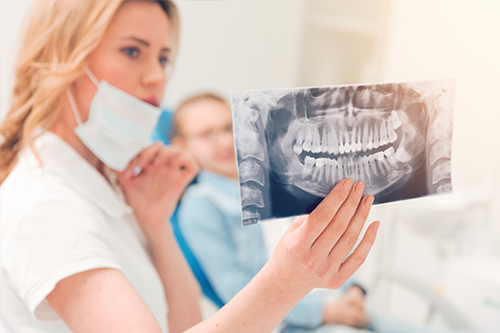
Dental trauma can result in a defect as minor as a small chip in tooth enamel to a more extensive and painful crack or fracture. With sufficient force, a tooth can even be displaced or completely knocked out of its socket. With prompt emergency care, many injured teeth can be restored and saved.
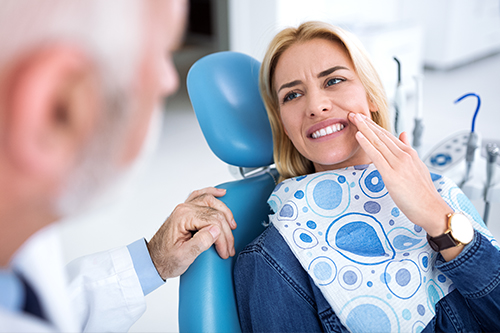
The last teeth in your mouth to develop, wisdom teeth often do not have enough room to fully erupt or may be positioned in the wrong direction. These issues can affect your dental health as well as overall well-being. Our office provides skilled care to address the complications caused by problematic wisdom teeth.
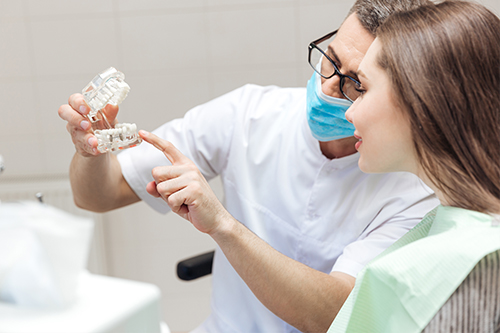
A broken or lost dental prosthesis or restoration can cause embarrassing gaps in your smile as well as compromise your ability to eat and speak with ease. If you've lost or broken a dental filling, denture, crown, or other dental appliance, you can rely on our office to perform a prompt repair or provide a durable and cosmetically pleasing replacement as quickly as possible.
At the office of Pharos Implants and Oral Surgery, emergency appointments are always available. Of course, in addition to providing top treatment for dental emergencies, we also welcome patients searching for high quality and affordable care. We offer a complete range of the latest and best cosmetic and dental services for every member of your family.
If you are suffering from a toothache or have sustained a dental injury, it is important to visit the dentist as soon as possible before more serious complications arise. Whether your dental emergency is painful, if it affects the appearance of your smile, or if you suspect that an infection is present, our office will make every effort to see you as promptly as possible for care.
At the office of Pharos Implants and Oral Surgery, we treat your dental emergency as our top priority. Our caring team will respond to your emergency call right away, making sure you get the gentle, state-of-the-art care you need without delay.
As your trusted emergency dentist in Cornelius, we provide the highest quality of care to mitigate the stress, anxiety, and discomfort of dental problems. Our dedicated team will help you start feeling better as soon as we receive your emergency call.
At the office of Pharos Implants and Oral Surgery, we provide skilled and experienced care to effectively resolve a broad range of dental emergencies, restoring a patient's oral health while protecting their overall wellbeing.
However, even so, specific dental emergencies pose significant threats to one's health. These situations require immediate, emergency room care. Serious and potentially life-threatening dental emergencies include significant oral and facial trauma such as jaw fractures, deep wounds or lacerations to the face and mouth, an abscess or infection that causes widespread facial or submandibular swelling, or affects breathing and swallowing.
At the office of Pharos Implants and Oral Surgery, we provide prompt, skilled, and experienced care to address dental emergencies. We understand that finances are always a concern and do our best to provide options in care that are both affordable and respect your budget.
Once we've had the opportunity to examine your smile, we can give you a clear picture of any existing dental issues, along with a quote for what the cost of treatment will be. The cost of care all depends upon the extent and complexity of issues affecting the health or appearance of your smile and the types of procedures that are required.
To help alleviate any additional stress or delay, you can count on our staff to work with you to optimize coverage for your dental care and to minimize your out-of-pocket expenses. For patients without insurance, we strive to make things easier as well! We invite you to visit our financial information page or speak to an expert in our business office.
Dental emergencies are often painful and debilitating experiences. For this reason it's important to have an emergency dentist in Cornelius, who welcomes patients with urgent dental needs while providing the prompt care required to restore oral health.
Here are just some of the reasons why so many patients choose our office for emergency dental care and to meet their family's dental needs:
We're dedicated to helping patients enjoy good oral health and beautiful smiles. We look forward to helping you keep your smile in tip-top condition. You can rest assured that our highly skilled office team will provide you the highest quality of state-of-the-art dental care and have you smiling again in no time!
To make an appointment or for more information on our office and the many state-of-the-art services we provide, give us a call today.
A dental emergency is any oral problem that requires prompt attention to relieve severe pain, stop ongoing bleeding, or prevent serious infection or long-term damage. Common examples include a knocked-out permanent tooth, uncontrolled oral bleeding, rapidly increasing facial swelling, severe toothache that wakes you from sleep, and injuries that affect breathing or swallowing. Less obvious emergencies can include a spreading infection with fever or a sudden change in oral function after trauma. When in doubt, seek evaluation quickly so a clinician can determine the severity and appropriate next steps.
Not every ache requires emergency treatment, but sudden worsening symptoms warrant rapid assessment to preserve structures and prevent complications. Symptoms such as sharp localized pain after trauma, loose or dislodged teeth, and visible fractures are typically urgent and should be addressed as soon as possible. Routine sensitivities or mild soreness after dental work are usually managed conservatively, but any sudden change, new swelling, or persistent severe pain should prompt a same-day evaluation. Early treatment increases the chance of saving teeth and limits the need for more complex care later.
Time and careful handling are critical when a permanent tooth is knocked out. First, gently rinse the tooth with water if it is dirty, but do not scrub or remove attached tissue fragments; then try to reposition the tooth in the socket if the patient is conscious and comfortable doing so. If reinsertion is not possible, store the tooth in milk, saline, or the injured person’s saliva to keep the periodontal ligament cells viable; avoid placing the tooth in plain water. Bring the tooth with you and seek emergency care immediately, as successful replantation is most likely when performed within an hour.
Control any bleeding by applying gentle pressure with clean gauze and keep the patient calm and still while arranging transport to the office. Avoid forceful rinsing, antiseptics, or chemical cleansers on the tooth and do not wrap it in tissues that can dry it out. When you arrive at our Cornelius office, the clinician will assess the tooth, the socket, and the patient’s overall condition, and will proceed with rinsing, repositioning, and stabilizing the tooth when appropriate. Prompt, careful action at the scene and rapid clinical care together offer the best chance of saving a natural tooth.
Severe dental pain, increasing swelling, or signs of systemic infection such as fever require prompt attention even if it is after hours. Begin by controlling pain with over-the-counter analgesics as directed and apply a cold compress to reduce swelling; avoid placing heat directly inside the mouth. Rinse gently with warm salt water to help clean the area, and keep any broken tooth fragments or restorations in a clean container for assessment. If breathing or swallowing are affected, or if swelling is rapidly progressing, seek immediate emergency medical care or go to the nearest hospital emergency department.
For issues that do not impair breathing or swallowing but are causing significant pain or concern, contact the office phone number listed for existing or new patients to learn about urgent appointment options. Our team can provide guidance on immediate home measures and arrange the earliest possible evaluation to address pain and control infection. Early intervention reduces the risk of complications and helps preserve treatment options such as tooth-sparing procedures when appropriate.
Effective pain control is a primary goal in emergency dental care and begins with a rapid assessment to identify the pain source and any medical considerations. Local anesthesia is commonly used to numb the affected area so that diagnostic tests and necessary interventions can be performed comfortably, and when appropriate, we offer sedation options for anxious or medically complex patients. Short-term pharmacologic measures, including prescribed analgesics and, when indicated, antibiotics, are used to manage pain and control infection while definitive treatment is planned. The choice of medications and sedation techniques is individualized based on the patient’s medical history, allergies, and the nature of the emergency.
When treatment requires more extensive intervention, such as surgical extraction or root canal therapy, appropriate anesthetic planning is performed to ensure patient comfort and safety. Our clinician, Dr. Joshua Munson, has training in oral and maxillofacial anesthesia and will discuss options and what to expect before any procedure. Clear communication about pain control plans and postoperative expectations helps patients feel more confident and supports smoother recovery. Follow-up instructions will include guidance on managing discomfort and when to seek further care if pain persists or worsens.
The ability to save a fractured or broken tooth depends on the extent and location of the damage, the health of the tooth root, and whether the injury has exposed the nerve or compromised surrounding structures. Minor chips and fractures that affect only enamel or small portions of dentin can often be repaired with bonding, crowns, or onlays to restore form and function. If the fracture extends into the pulp or involves the root, root canal therapy followed by restorative work may preserve the tooth. When the tooth is non-restorable or poses a risk to adjacent teeth, extraction may be the safest option to protect oral health.
Immediate stabilization, splinting, or temporary restoration can reduce pain and preserve tooth position while planning definitive care. Digital imaging and a focused clinical exam help determine the prognosis and best restorative pathway. When extraction is necessary, the surgical plan includes discussion of future replacement options such as dental implants or bridges once healing and infection control are complete. The treatment decision balances preserving natural teeth with ensuring long-term function and oral health.
Soft tissue injuries to the lips, tongue, cheeks, and floor of the mouth are common in dental trauma and require careful evaluation to control bleeding and reduce infection risk. Clinicians will examine the wound for foreign bodies, depth, and involvement of nerves or ducts, cleanse the area thoroughly, and assess the need for sutures to approximate tissue edges and promote optimal healing. Small superficial cuts often heal without stitches, while deeper lacerations or wounds with significant bleeding or functional impact are sutured under appropriate anesthesia. Tetanus status and potential need for additional medical evaluation are considered as part of comprehensive care.
After treatment, patients receive instructions on wound care, diet modifications, and signs of infection that should prompt re-evaluation. Pain control and sometimes short courses of antibiotics are used when contamination or infection risk is present. Follow-up appointments allow monitoring for proper healing and assessment for any functional issues such as impaired speech or salivary flow that may require further treatment. Prompt, precise care minimizes scarring and helps restore normal oral function.
Acute dental infections and abscesses are managed by controlling the source of infection, relieving pressure and pain, and addressing systemic risk factors. When an abscess is present, drainage may be performed to reduce pressure and pain, followed by targeted antibiotic therapy when indicated by clinical findings and patient health status. Definitive treatment often involves addressing the infected tooth via root canal therapy or extraction, and decisions are made based on the tooth’s restorability and the patient’s overall condition. Systemic signs such as fever or rapidly spreading swelling are treated urgently and may require coordination with medical providers or hospital care.
Imaging and a focused exam guide the treatment plan and timing of definitive care to ensure infection resolution before undertaking complex restorative procedures. Patients are instructed on oral hygiene measures and signs of worsening infection that require immediate attention. Follow-up visits confirm that the infection has resolved and allow planning for restoration or replacement of the affected tooth to restore long-term function. Early intervention prevents spread and reduces the risk of more extensive surgical treatment.
Surgical intervention is required when an emergency involves non-restorable teeth, impacted wisdom teeth causing acute infection, severe fractures, or deep infections that threaten surrounding tissues. Procedures may range from simple extractions to more complex surgical removals, alveoloplasty, or drainage of deep-space infections, and the choice depends on the anatomical situation and the patient’s medical history. Surgical planning includes appropriate anesthesia selection, imaging to guide the approach, and measures to manage bleeding and minimize trauma to surrounding structures. The goal is to resolve the acute problem safely while preserving as much function and structure as possible.
Patients receive preoperative instructions and clear information about what to expect during recovery, including typical discomfort, swelling, and activity restrictions. Postoperative care focuses on pain control, infection prevention, and monitoring for complications, with scheduled follow-up to assess healing and plan any further restorative steps. When necessary, bone grafting or staged restorative planning is discussed to support future replacement options such as dental implants. Surgical decisions are made to balance immediate needs with long-term oral health outcomes.
Follow-up care ensures healing, confirms infection resolution, and allows planning for definitive restorative treatment once the emergency is controlled. Initial post-procedure visits typically include wound checks, suture removal when applicable, and reassessment of pain and swelling to ensure the patient is recovering as expected. If antibiotics or other medications were prescribed, the clinician verifies clinical improvement before scheduling restorative procedures such as crowns, bridges, or implant placement. Coordination with a patient’s general dentist helps transition care back to routine maintenance and completion of long-term treatment goals.
Patients receive written aftercare instructions detailing oral hygiene, diet, activity restrictions, and signs that warrant urgent re-evaluation such as uncontrolled bleeding, persistent fever, or increasing pain. Timely follow-up also allows adjustments to treatment plans when healing proceeds differently than anticipated and supports successful outcomes for subsequent restorative work. Clear communication and scheduled reviews reduce the likelihood of complications and help restore full oral function efficiently.
Preventive care is the most effective way to reduce dental emergencies and preserve oral health over time. Regular dental checkups identify early decay, gum disease, and structural issues before they escalate, while custom protective appliances such as mouthguards reduce the risk of sports-related injury. Prompt attention to small symptoms—such as sensitivity, loose restorations, or persistent soreness—allows conservative treatment rather than emergency surgery. Maintaining good daily oral hygiene and following professional recommendations for routine care are foundational preventive measures.
For patients with known risk factors—such as compromised teeth, certain medical conditions, or a history of trauma—discussing individualized preventive strategies with your dental team is important. This may include more frequent monitoring, protective restorations, or behavior modifications to limit risk. If an unexpected problem arises, seeking rapid evaluation at our Cornelius office helps preserve treatment options and improves outcomes. Timely prevention and early intervention together minimize the likelihood and impact of true dental emergencies.

Our friendly and knowledgeable team is ready to help you schedule appointments, answer questions about procedures, and address any concerns. Whether by phone or our easy online contact form, we’re here to make your experience simple and convenient.
Take the first step toward restoring your smile and discover the difference personalized, expert care can make. Contact us today and let us help you achieve the confident, healthy smile you deserve.


Back to top